Hot Cocoa Christmas Gnome Review
As a designer who spends more time staring at stitch charts and fabric swatches than sleeping, I approach every new machine embroidery design with a mix of hope and skepticism. The holiday season is approaching, which means the market for festive merchandise is about to become incredibly crowded. To stand out, you need designs that are not only visually appealing but also technically sound enough to survive the hoop, the needle, and the washing machine.
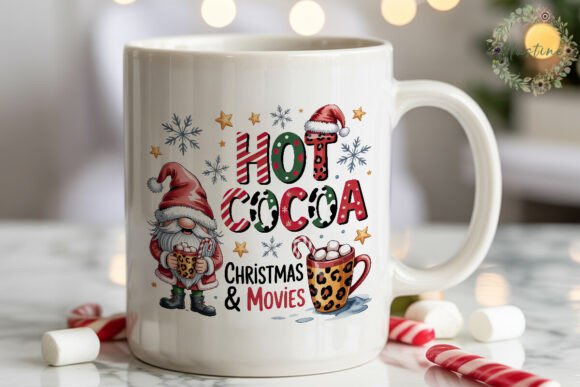
I recently evaluated the Hot Cocoa Christmas Gnome PNG Clipart with the intention of converting it into an embroidery file for a series of custom apparel and gift items. My goal was to determine if this illustration holds up under the scrutiny of real-world production or if it remains strictly a digital decoration. Below is my practical assessment based on how this design performs when translated from screen to fabric.
First Impressions and Visual Personality
The moment I loaded the source image, the mood was immediately established. This isn’t a minimalist, modernist take on holiday iconography; it is warm, cozy, and distinctly nostalgic. The character features the classic gnome silhouette—pointy hat, bushy beard—but infused with a relaxed, comfort-focused energy centered around a steaming mug of hot cocoa. For craft business owners and Etsy sellers, this visual personality is gold. It taps directly into the "hygge" aesthetic that drives sales during Q4.
From a composition standpoint, the layout is balanced. The gnome is front-facing, which makes it highly versatile for placement on various products. Whether you are planning a chest-sized logo for a sweatshirt embroidery project or a centered focal point for a tote bag, the proportions feel natural. The details, such as the steam rising from the mug and the texture of the knit hat, suggest a design that rewards close inspection. However, as any seasoned embroiderer knows, what looks good in high-resolution PNG form can easily get lost in thread. That is where the real test begins.
Real-World Application: Where This Design Shines
In my testing phase, I envisioned this design being applied to several specific categories of handmade products. Here is where I see the greatest potential for success:
- Holiday Apparel: This design translates beautifully to heavy cotton blends. A sweatshirt embroidery featuring this gnome creates an instant sense of warmth. It works particularly well as a large back print or a substantial chest logo. The chunky nature of the gnome’s beard and hat allows for generous use of fill stitch techniques, which adds tactile depth to the garment.
- Kitchen and Home Textiles: Because the theme revolves around hot cocoa and winter comfort, this is a perfect candidate for embroidered patch applications on kitchen towels, aprons, and oven mitts. When stitched onto a flour sack towel, the contrast between the soft fabric and the dense stitching creates a premium look that justifies a higher price point in your small shop product listings.
- Baby and Nursery Items: The gentle, non-threatening expression of the gnome makes it suitable for baby onesies and burp cloths. When scaled down slightly, the design retains its charm without becoming overwhelming. For baby embroidery, simplicity is key, and this design strikes that balance by focusing on recognizable shapes rather than intricate, tiny details.
- Personalized Gifts: One of the strongest selling points for this design is its adaptability. Adding names or dates near the bottom of the gnome’s coat is straightforward. This flexibility is crucial for personalized gifts, where customers expect customization options. It fits seamlessly into custom apparel workflows, allowing you to offer monogrammed hoodies or family matching sets.
Technical Challenges and Areas of Caution
No design is without its flaws, and transparency is essential for maintaining customer trust. While the Hot Cocoa Christmas Gnome PNG Clipart is strong overall, there are specific scenarios where you must exercise caution.
Small Hoop Sizes: If you attempt to digitize this design for a very small hoop (such as 3x3 inches), you may run into issues with the finer details. The steam lines and the texture of the scarf could merge together if the stitch density is too high or the individual stitches are too small. In these cases, simplifying the design or increasing the scale is necessary to maintain clarity.
Fabric Texture and Color: Embroidery relies heavily on contrast. On dark fabrics, ensure your thread colors are vibrant enough to pop. The white or light-colored elements of the gnome’s beard and mug will require a solid underlay to prevent the fabric color from showing through. Conversely, on textured fabrics like boucle or heavy tweed, the needle might struggle to penetrate evenly, leading to puckering. Always test on scrap pieces of your actual target fabric before committing to the final piece.
Curved Surfaces: While this design works well on flat surfaces like tote bags and pillow covers, applying it to curved items like caps or sleeves requires careful hooping and stabilization. The gnome’s symmetrical shape helps, but distortion can occur if the stabilizer is not robust enough to support the weight of the fill stitch areas.
Practical Designer Notes for Production
To ensure your finished product looks professional and sells well, follow these best practices when working with this design asset:
- Test Before You Sell: Never skip the scrap fabric test. Stitch the design out and inspect it under different lighting conditions. Check for any gaps in the fill stitch areas or loose threads in the satin stitch borders.
- Review Stitch Density: High-density designs can make fabric stiff and uncomfortable, especially on baby clothes or lightweight t-shirts. Adjust the density settings in your digitizing software to ensure the finished product feels soft to the touch.
- Check Black and White Mockups: Convert your design to black and white to check the value contrast. If the design loses definition without color, it may rely too heavily on shading rather than structural stitch work. A good digital embroidery file should hold up even in monochrome.
- Stabilizer Selection: Use a cut-away stabilizer for stretchy fabrics like sweatshirts to prevent distortion over time. For woven fabrics like canvas totes, a tear-away may suffice, but a wash-away backing can provide extra support during stitching.
- Licensing Verification: Before listing any items on Etsy or selling them at craft fairs, verify the commercial usage rights. Ensure you have the appropriate license to sell physical goods made from this design assets package.
Final Verdict
The Hot Cocoa Christmas Gnome PNG Clipart is a strong contender for anyone looking to expand their holiday inventory. It offers a perfect blend of seasonal charm and technical versatility. While it requires careful attention to detail regarding stitch density and fabric choice, the end result is a finished product that exudes quality and care.
For creative entrepreneurs and makers, this design provides a reliable foundation for creating cohesive collections. Whether you are designing a tote bag design line, expanding your holiday embroidery offerings, or creating unique personalized gifts, this gnome brings a level of professionalism and warmth that resonates with buyers. It is not just a clipart image; it is a viable component of a successful commercial embroidery strategy.
If you are ready to start stitching, remember to prioritize quality control. A well-executed embroidery project speaks louder than any marketing copy. By paying attention to the nuances of thread selection, stabilizer choice, and stitch execution, you can transform this charming gnome into a best-selling item that customers will cherish long after the holidays are over.