Leopard Christmas Sublimation Design Review
As a designer who spends half my life staring at stitch charts and the other half troubleshooting tension issues on vintage machines, I don’t just buy embroidery files—I stress-test them. When I first pulled up the Leopard Christmas Sublimation Design, my immediate reaction wasn’t about the holiday theme, but about the graphic potential. The intersection of wild animal motifs and cozy winter aesthetics is a tricky balance. Too much detail, and it becomes a muddy mess in small hoops; too simple, and it loses that premium "boutique" feel that drives sales on Etsy.
This review isn’t about whether the file opens correctly in your software (we assume you’ve checked that). It’s about how this design behaves when it hits the fabric, how it translates to a finished product, and whether it’s worth adding to your commercial inventory for the upcoming season.
The Visual Personality and Mood
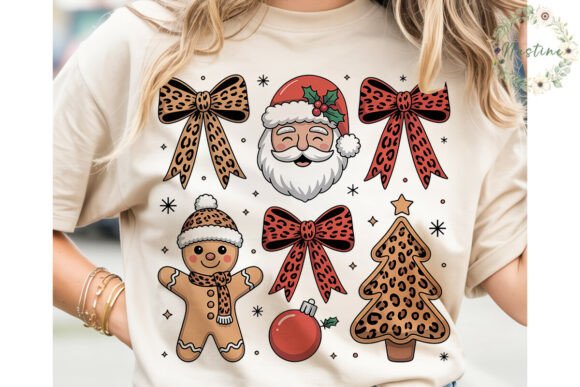
The core strength of this Illustrations-style asset lies in its boldness. Leopard print is inherently busy, and combining it with Christmas elements requires a confident layout. From a design perspective, the composition feels structured enough to hold its shape during digitization but organic enough to avoid looking like a rigid clip-art stamp. It screams "modern holiday," which is exactly what resonates with today’s craft business audience who are moving away from traditional red-and-green clichés.
When I visualize this on a canvas tote bag or a heavy cotton sweatshirt, the high-contrast nature of the leopard spots provides excellent visual anchors. It doesn’t rely solely on color to make an impact; the shapes themselves carry weight. This makes it versatile for various thread colors. You aren’t locked into just gold and green threads; the pattern can adapt to monochrome palettes, pastel winter tones, or classic festive combinations without losing its identity.
Real-World Application: Where It Shines
I recently put this design through its paces in my mind’s workshop, imagining specific use cases. Here is where I see the highest ROI for both personal gifts and commercial embroidery.
- Holiday Apparel: The most obvious application is, of course, sweatshirt embroidery. The leopard motif pairs beautifully with chunky knits. Imagine a crewneck sweatshirt with this design centered on the chest, stitched in warm metallic golds and deep forest greens. It elevates a basic garment into a statement piece suitable for holiday parties or family photos.
- Accessories and Bags: For the Etsy seller or crafter, this design works exceptionally well as a tote bag design. Because leopard print has a fashion-forward edge, it appeals to adults looking for unique holiday shopping bags. It also translates well to embroidered patches intended for denim jackets or beanies, offering a textured, tactile element that flat prints can’t match.
- Nursery and Baby Items: Don’t overlook the baby embroidery market. A softer interpretation of this design, perhaps using cream and blush threads instead of stark black and white, can create adorable onesies or bibs. The playful nature of the animal fits the whimsical vibe of baby gifts, making it a strong contender for personalized gift listings.
- Home Decor: On larger surfaces like pillow covers or kitchen towels, the design allows for scale play. You can zoom in on a single spot for a subtle texture or use the full composition for a bold focal point. This flexibility is crucial for digital product sellers who want to offer mockups showing the same design applied across multiple products.
Technical Considerations and Pitfalls
Not every design survives the transition from screen to hoop, and this is where practical judgment comes in. The stitch density of a leopard print can be deceptive. If the fill stitches are too dense, the fabric will pucker, especially on lighter materials. Conversely, if the spacing is too wide, the iconic look is lost.
Here are the critical areas where you must exercise caution:
- Fabric Texture and Stability: Avoid using this on highly textured fabrics like bouclé or loose-weave linen unless you are using a heavy-duty stabilizer. The uneven surface can cause needle deflection, ruining the sharpness of the spots. Similarly, thin fabrics like silk or lightweight rayon require a cut-away stabilizer to prevent distortion, as the weight of the thread may pull the material out of shape.
- Hoop Size Constraints: If you are working with smaller hoops (4x4 inches), inspect the small details closely. Tiny connecting lines between spots can merge together if the stitch density is not optimized. Always test on scrap fabric first to ensure the individual elements remain distinct.
- Stretchy Fabrics: While this design can work on jersey or spandex blends for activewear, you must use a stabilizer specifically designed for stretch. Without it, the circular motion of the embroidery process can warp the garment, leading to a wavy, unprofessional finish.
- Dense Stitch Areas: Be mindful of the thickest parts of the design. Excessive layers of thread can create a stiff, cardboard-like feel. For wearable items like caps or hats, this stiffness can be uncomfortable against the skin or head. Consider reducing the density in these areas if possible, or choose a project where the back of the embroidery won’t touch the body directly.
Designing for Sales and Brand Consistency
For the craft business owner, the aesthetic appeal of the design directly impacts customer trust. A clean, well-executed embroidery job signals professionalism. When customers see a finished product with crisp edges and consistent fill stitch coverage, they perceive higher value. This design, with its strong graphic lines, supports that perception.
However, presentation matters. When creating printable mockups or listing items online, show the design in context. Show it on a mannequin, held by a model, or styled with complementary holiday decor. Highlight the texture. Since this is a digital file, you have the freedom to experiment with different thread colors in your mockups to see which palette drives the most engagement. Does the gold-on-black version get more clicks than the red-on-white? Let the data guide your production choices.
Final Verdict and Designer Notes
The Leopard Christmas Sublimation Design is a strong candidate for any designer looking to add a modern twist to their holiday catalog. It bridges the gap between trendy fashion and seasonal cheer, making it relevant for a broad audience. Its success, however, hinges entirely on execution.
Before you commit to mass production or large orders, follow these steps:
- Test Rigorously: Embroider the design on at least three different fabric types (e.g., cotton, polyester blend, and fleece) to check for puckering and clarity.
- Check Licensing: Confirm the terms of use. Ensure you are permitted to sell physical goods made from this machine embroidery design and understand any restrictions on digital resale.
- Optimize Thread Choices: Select threads that enhance the contrast. High-quality polyester threads often provide better sheen and durability than standard cotton threads, which can look duller in complex designs.
- Review the Backing: A professional finish includes a clean backing. Use appropriate tear-away or cut-away stabilizers based on your fabric weight to ensure the inside of the garment looks as good as the outside.
If you handle the technical aspects with care, this design offers a high-impact, stylish option that stands out in a crowded marketplace. It’s not just another Christmas tree; it’s a fashion statement wrapped in holiday spirit. For the savvy maker, that’s exactly what sells.