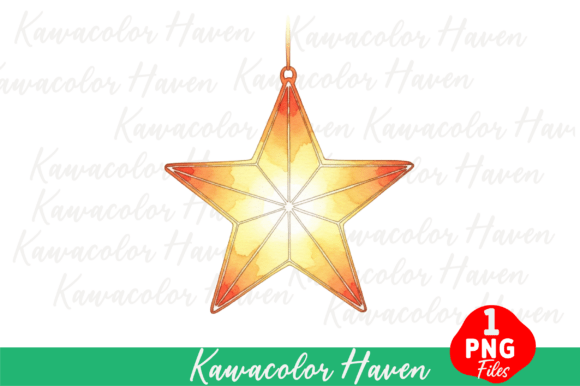
Review: Watercolor Star Christmas Ornament Embroidery Design
As a designer who spends half her life staring at stitch density charts and the other half worrying about whether a customer’s sweatshirt will survive five wash cycles, I don’t just look for pretty pictures. I look for viability. When I first pulled up the Watercolor Star Christmas Ornament, my initial reaction was less about the aesthetic charm—though that is certainly there—and more about how this illustration translates from a digital screen to physical thread. We are dealing with an Illustrations category piece here, which often implies a softer, more artistic approach than traditional geometric machine embroidery designs. The question isn't just "does it look good?" but "will it hold up as a handmade product in a competitive market?"
The First Impression: Mood and Visual Personality
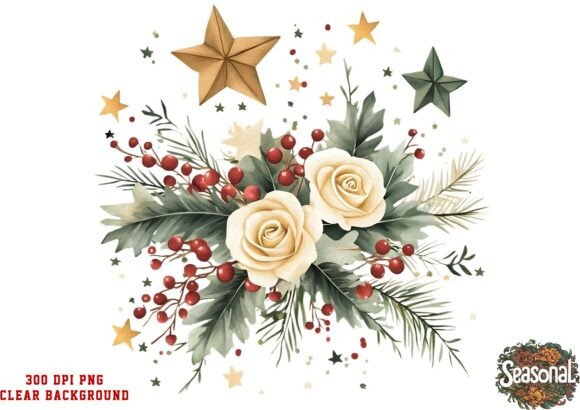
The moment you view the Watercolor Star Christmas Ornament, the mood is unmistakably cozy yet elegant. Unlike the stark, high-contrast block colors often found in basic holiday clipart, this design leans into the fluidity of watercolor techniques. It suggests a boutique feel, one that appeals to buyers looking for something slightly refined rather than purely festive or chaotic. For an Etsy seller or small shop owner, this distinction is crucial. Customers today are tired of generic, mass-produced aesthetics. They want items that feel curated.
The star shape itself is classic, but the rendering gives it a soft, dreamy quality. This visual personality makes it incredibly versatile. It doesn’t scream "holiday party"; it whispers "winter morning coffee." That subtlety is a powerful asset when designing for custom apparel or nursery decor. It allows the design to sit comfortably on a neutral background without overwhelming the garment or the space. However, this softness also introduces challenges regarding stitching clarity, which we will get into shortly.
Real-World Application: From Screen to Stitch
Let’s talk about a specific scenario. Imagine you are preparing a batch of custom embroidered tote bags for a local craft fair or an online craft business launch. You’ve chosen a heavy cotton canvas bag. How does the Watercolor Star Christmas Ornament perform here? In theory, it works beautifully. The organic lines of the watercolor effect can be mimicked using varied thread colors and perhaps some satin stitch outlines to define the edges against the textured fabric.
However, if you shift the context to a sweatshirt embroidery project, the dynamic changes. Sweatshirts have a nap, a texture that can swallow fine details. If the original illustration relies on very thin, delicate gradients, those might get lost in the fleece. Here, the design shines best when used as a focal point on a chest pocket or centered on the back, where the fabric is flatter and more stable. It also translates exceptionally well to apron designs for holiday baking gifts or kitchen towel sets, where the soft aesthetic complements the domestic theme perfectly.
Another strong use case is personalized gift items like baby onesies or burp cloths. The gentle nature of the star motif fits the baby embroidery niche seamlessly. Parents often prefer designs that aren’t overly loud or aggressive. This ornament provides a touch of seasonal magic without being distracting, making it a safe yet charming choice for giftability.
Where Caution Is Required
No design is perfect for every application, and honest review demands we highlight the limitations. The Watercolor Star Christmas Ornament should be used carefully on small hoop sizes. If you attempt to digitize this for a tiny patch or a hat brim, the intricate details that give it its watercolor character may collapse into muddy blobs of thread. The eye cannot distinguish subtle color shifts at that scale, resulting in a loss of the design's primary appeal.
Furthermore, avoid placing this on stretchy fabrics or curved surfaces like baseball caps unless you have advanced stabilization skills. The soft edges of the illustration require a smooth, stable surface to maintain their integrity. On a curved cap, the distortion can make the star look warped, ruining the professional finish. Similarly, on dark fabric, you must ensure your stitch density is sufficient to cover the base material completely. A sparse fill stitch over black fabric will show through, breaking the illusion of the delicate watercolor layers.
Technical Considerations for the Designer
When evaluating this for commercial use, several technical factors come into play. First, always test the design on scrap fabric before committing to your final product. This is non-negotiable. You need to see how the machine embroidery design interacts with your specific thread brand and fabric type. Does the satin stitch around the star hold its shape, or does it pucker? Does the fill stitch lay flat?
Check the hoop size requirements carefully. If the design is large, ensure your machine can handle it without excessive re-hooping, which can misalign the pattern. Also, inspect the small details. Are there any isolated running stitches that might break easily during washing? For a finished product to maintain customer trust, it must withstand regular use. If the design includes tiny decorative accents, consider simplifying them in the digitization process to improve durability.
Color contrast is another critical element. Since the source is an illustration with likely pastel or blended tones, you have creative freedom in choosing your thread colors. However, ensure there is enough contrast between the star and the fabric. A light blue star on white fabric might lack definition. Experimenting with a slightly darker thread shade or adding a subtle outline can enhance visibility without sacrificing the soft aesthetic.
Impact on Brand and Sales
Using a design like the Watercolor Star Christmas Ornament affects more than just the stitch count; it influences your brand perception. High-quality, thoughtful designs signal professionalism. When a buyer sees a well-executed embroidery project that respects the nuances of the original illustration, they perceive higher value. This can justify premium pricing for your commercial embroidery services or digital products.
For design assets sellers, this type of illustration offers versatility. It can be marketed not just as a standalone embroidery file but as part of a larger holiday collection. Think about bundling it with complementary elements for a complete embroidery project kit. This adds value for the end user, whether they are a hobbyist or a fellow entrepreneur.
Ultimately, the success of this design hinges on execution. It requires a designer who understands how to translate soft digital art into durable textile art. By paying attention to stabilizer choice, thread selection, and appropriate placement, you can create a handmade product that resonates with customers. It’s not just a star; it’s a statement of quality and care.
Final Thoughts for Makers and Sellers
If you are looking to add a touch of elegance to your holiday inventory, the Watercolor Star Christmas Ornament is a strong contender. It bridges the gap between traditional holiday motifs and modern, soft aesthetics. Just remember to respect its limitations. Test thoroughly, choose your substrates wisely, and prioritize clarity over complexity. Done right, this design can become a staple in your repertoire for holiday gifts, boutique branding, and personalized products that stand out in a crowded marketplace.
Before integrating this into your workflow, double-check the licensing terms if you plan to sell finished items. Ensure you have the rights to use it commercially. And always keep a close eye on current trends in apparel decorating and craft business innovation. Designs that evoke emotion and quality, like this watercolor star, tend to have longer shelf lives than fleeting fads. Use it to build trust, showcase your skill, and delight your customers.