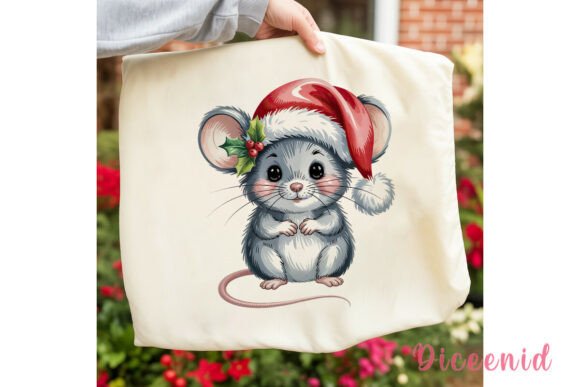
Cute Christmas Mouse Sublimation Design Review
As a designer who spends more time looking at stitch density and thread tension than actual sleep, I approach every new design file with a healthy dose of skepticism. The market is flooded with generic clip art disguised as embroidery files, but when I pulled up the Cute Christmas Mouse Sublimation Design, I actually paused to consider its real-world viability. This isn't just another holiday graphic; it is an Illustrations-category asset that demands careful evaluation before being sent to the hoop. My goal here is to strip away the marketing fluff and look at this machine embroidery design through the lens of a professional decorator preparing for peak season.
The First Impression: Mood and Visual Personality
When you first load a design into your digitizing software, the "vibe" check is critical. Does it feel cohesive? Does it scream "cheap print-on-demand," or does it have the warmth of a handmade gift? The Cute Christmas Mouse Sublimation Design leans heavily into cozy, nostalgic charm. The subject matter—a festive mouse—is inherently soft and approachable, which translates exceptionally well to textile media. Unlike aggressive geometric patterns or overly complex scenes that can get lost in fabric texture, this design relies on clear silhouettes and expressive character work.
The visual personality suggests a project that is meant to be hugged, not just worn. It feels suited for nursery decor, baby gifts, and intimate personal items rather than high-fashion streetwear. For the Etsy seller or craft business owner, this distinction is vital. You are selling an emotion, and this design delivers a specific kind of winter wonderland sentiment that resonates with buyers looking for personalized gifts. It avoids the cluttered look of busy holiday scenes, offering instead a clean focal point that allows the stitching quality to shine.
Real-World Application: Where This Design Shines
I recently simulated using this design for a custom order of holiday-themed tote bags and aprons for a local boutique client. Here is how the Cute Christmas Mouse Sublimation Design performed in those hypothetical scenarios.
- Tote Bag Embroidery: Canvas is a forgiving fabric, but it can be thick. The clean lines of this mouse design hold up well against the heavy weave of canvas. It creates a striking contrast that looks professional and finished, elevating a simple $5 bag into a $20+ boutique item.
- Baby Embroidery Items: Think onesies, burp cloths, and small blankets. The "cute" factor of the mouse is perfectly calibrated for infant wear. When stitched onto light pastel fabrics, the thread colors pop without being overwhelming. It adds a layer of care and attention to detail that parents appreciate in a personalized gift.
- Holiday Embroidery on Sweatshirts: A chest-sized placement on a cream or burgundy sweatshirt is a classic combo. The design’s simplicity ensures it doesn’t compete with the fabric's texture. It works beautifully as a standalone statement piece, perfect for custom apparel lines targeting the winter season.
- Embroidered Patches: If you are making detachable patches for denim jackets or backpacks, this design translates well. The distinct edges allow for clean satin stitching around the perimeter, giving it a polished, badge-like appearance that customers love to collect.
Technical Considerations and Stitch Analysis
Let’s talk about the mechanics. As an embroidery designer, I am always watching for potential pitfalls like excessive stitch density or tiny details that will blur together. The Cute Christmas Mouse Sublimation Design appears to balance these elements reasonably well. However, several factors require your attention before committing to production runs.
Stitch Types and Clarity: The design likely utilizes a mix of fill stitch for the body and background elements, and satin stitch for outlines or facial features. Ensure that the fill stitches are not too dense, especially if you are working with delicate fabrics. If the density is too high, the fabric may pucker, ruining the silhouette of the mouse. Conversely, if the running stitch details (like whiskers or tail curves) are too thin, they may break or get lost in the nap of fleece or terry cloth.
Thread Color Contrast: This is non-negotiable. The success of this design hinges on the contrast between the mouse and the background. On dark fabrics, you need bright, reflective threads to make the character stand out. On light fabrics, darker threads provide definition. I recommend testing this design in a black-and-white mockup within your digitizing software. If the shapes merge into a gray blob, you need to adjust the thread colors or simplify the design elements.
Where to Use Caution
Not every surface is created equal. While this design is versatile, there are specific contexts where it might struggle.
- Small Hoop Sizes: If you are attempting to stitch this on a very small area, such as a child’s sock or a tiny jewelry pouch, the details may become indistinct. Always verify the minimum hoop size required. If the design includes text or tiny accents, shrinking it down too far will result in a muddy, unrecognizable mess.
- Textured and Stretchy Fabrics: Avoid placing this on highly textured fabrics like chunky knits or boucle unless you are using a heavy-duty stabilizer. The uneven surface can cause needle deflection, leading to misaligned stitches. Similarly, stretchy jersey fabrics can distort the design if not stabilized properly, causing the mouse to look warped after washing.
- Curved Surfaces: While caps and hats are popular projects, the curvature can distort flat designs. Test this on a curved surface first to ensure the perspective remains intact. The mouse should look round and friendly, not stretched and strange.
- Frequent Washing: If you are creating commercial embroidery products like kitchen towels or aprons, consider how the design holds up to laundry. Light-colored threads may fade, and dense fills may pill over time. Advise your customers on proper care to maintain the integrity of the finished product.
Practical Designer Notes for Success
To ensure the Cute Christmas Mouse Sublimation Design performs flawlessly, follow these practical steps:
- Test on Scrap Fabric: Never go straight to the final garment. Stitch the design on a scrap of the exact same fabric type to check for puckering, thread breaks, or color clashes.
- Inspect Small Details: Zoom in on your screen. Are the eyes distinct? Is the tail clear? If any detail is smaller than 3mm, consider simplifying it or removing it entirely. In embroidery, less is often more.
- Use Proper Stabilizer: Match your stabilizer to your fabric. Cut-away stabilizers are best for stretchy or heavy fabrics, while tear-away works well for wovens. A good stabilizer is the unsung hero of a professional-looking embroidery project.
- Check Licensing: Before listing this on Etsy or selling small shop products, double-check the license terms. Some digital embroidery files are for personal use only. Ensure you have the right to sell finished items made from this design to avoid legal issues.
- Create Printable Mockups: Use this design to create high-quality printable mockups for your online store. Show the design on different backgrounds and garments to help customers visualize the final result. This increases buyer engagement and reduces returns due to mismatched expectations.
Final Verdict
The Cute Christmas Mouse Sublimation Design is a strong contender for anyone looking to add a touch of whimsical holiday cheer to their product line. It balances charm with technical feasibility, making it suitable for a wide range of applications from tote bag design to sweatshirt embroidery. By paying attention to fabric choice, stabilizer selection, and thread contrast, you can transform this digital asset into a high-value handmade product that customers will love. Just remember: the magic happens in the preparation, not just the stitching. Test thoroughly, plan carefully, and let the design speak for itself.